
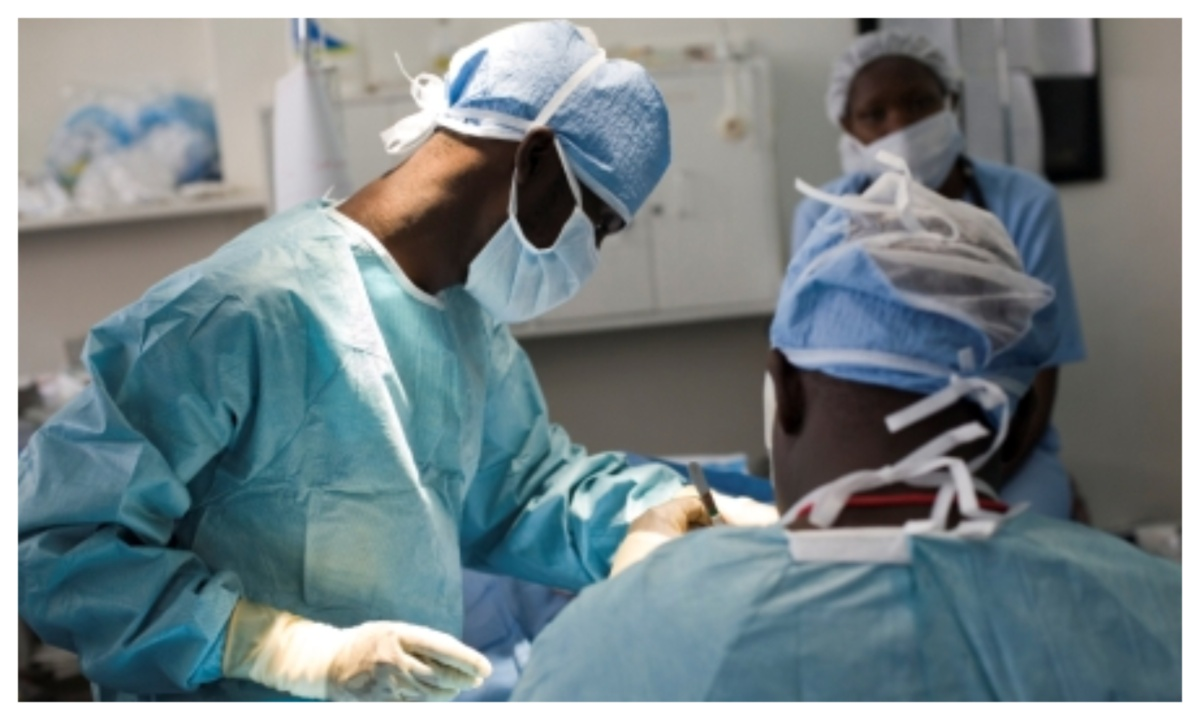
The repeated deaths of patients during emergency situations, allegedly linked to hospital negligence, have triggered growing concern among Nigerians nationwide. Many citizens say the situation reflects deep-rooted problems within the country’s healthcare system, particularly in the handling of critical cases.

Reports indicate that in several hospitals, patients in life-threatening conditions experience delays in receiving urgent medical care. In some cases, these delays have reportedly led to deaths that families believe could have been prevented. As a result, public confidence in both public and private healthcare facilities continues to decline.
Speaking on the issue, Prof. Akiola Akimade, Chief Medical Officer of Afebablola University, explained that saving lives should always be the foremost priority in medical practice. According to him, doctors and nurses are professionally trained to prioritize patient survival above all other considerations.
Rising Emergency Deaths Spark Nationwide Concern Among Nigerians
He acknowledged that certain emergencies, including cases involving gunshot injuries, may present operational challenges for hospitals. However, he stressed that standard medical protocol requires healthcare providers to stabilize patients first before addressing administrative or financial matters.
Public anger has been fueled by several reported cases, including that of Aishatu Umar Kano, a mother of five who died following a surgical procedure. A later medical scan reportedly revealed that surgical scissors had been left inside her body during an earlier operation. For months, she returned to the hospital complaining of pain but was allegedly treated only with pain relief medication until her condition worsened beyond recovery.
Reacting to the growing number of such incidents, human rights activist Eneh Obi described the situation as deeply troubling, questioning the erosion of compassion within the healthcare system. She criticized hospitals that allegedly deny emergency treatment due to lack of deposits, insufficient drugs, or unavailable supplies.
According to her, the problem is not limited to high-profile cases but affects ordinary Nigerians daily, including women in labor, children, and victims of accidents or snake bites. She cited instances where patients were turned away during emergencies, resulting in avoidable deaths.
Obi also blamed weak policy enforcement and poor accountability, arguing that the protection of life should be central to governance. She questioned the government’s commitment to expanding and properly equipping hospitals, especially for low-income citizens who rely heavily on public healthcare services.
Tension as armed herders overrun farms, threaten villagers with AK-47 Rifles
She emphasized that emergency medical care should never be conditional, noting that healthcare providers often cannot determine a patient’s financial status during emergencies. According to her, saving lives must come before discussions about payment, while calling on private hospitals to strengthen their social responsibility commitments.
As public outrage continues to grow, many Nigerians are demanding immediate reforms, stricter enforcement of health regulations, and greater accountability within the healthcare sector. Preventable deaths caused by alleged hospital neglect, they argue, represent a national tragedy that must no longer be ignored.
Urgent action, improved emergency response systems, and better resource management are now widely seen as essential steps toward saving lives and restoring public trust in Nigeria’s healthcare system.