The Independent National Electoral Commission (INEC) has assured Nigerians of its commitment to fairness, inclusiveness, and transparency in the conduct of the 2027 General Elections, amid growing objections to the proposed election dates.

INEC recently announced that the Presidential and National Assembly elections are scheduled for Saturday, February 20, 2027, while the Governorship and State Houses of Assembly elections will take place on Saturday, March 6, 2027. The commission also fixed party primaries to run between May 22 and June 20, 2026, allowing political parties to select candidates ahead of the polls.
However, the announcement has sparked concerns among some Nigerians, particularly members of the Muslim community, who argue that the presidential election date coincides with the holy month of Ramadan. Critics say fasting during Ramadan could pose physical challenges for voters, election officials, observers, and security personnel, potentially affecting voter turnout and election logistics.
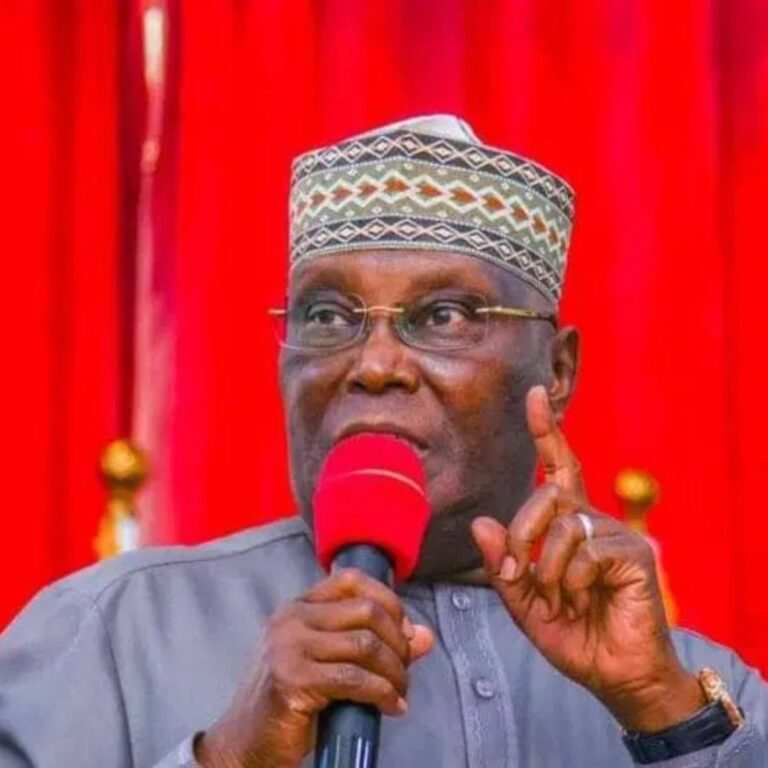
One of the prominent voices raising objections is former Vice President and presidential candidate of the Peoples Democratic Party, Atiku Abubakar. He urged INEC to reconsider the February 20, 2027 date, warning that it falls within the Ramadan period, which he described as a time dedicated to fasting, reflection, and spiritual devotion for many Nigerian Muslims.
2027 Elections: INEC Responds as Atiku Abubakar, Others Oppose Proposed Election Dates
Atiku made his position known through a post on his verified X account, emphasizing that the election date overlaps with Ramadan, which is expected to run from February 7 to March 8, 2027.
Former presidential aide Bashir Ahmad, who served under late President Muhammadu Buhari, also called on INEC to review the timetable. He argued that holding elections during Ramadan could discourage full participation, noting that many Muslims reduce strenuous activities during the fasting period to focus on religious obligations.
Responding to the criticism, INEC said the election schedule was developed strictly in line with constitutional and legal provisions. In a statement issued by the National Commissioner and Chairman of the Information and Voter Education Committee, Mohammed Haruna, the commission explained that the dates are guided by existing electoral laws.
According to him, the Constitution of the Federal Republic of Nigeria (1999, as amended), the Electoral Act 2022, and INEC’s Regulations and Guidelines for Conducting Elections mandate that presidential and national assembly elections be held on the third Saturday of February in a general election year, with governorship and state assembly elections following two weeks later.
Rising Emergency Deaths Spark Nationwide Concern Among Nigerians
INEC, however, acknowledged the concerns raised by stakeholders regarding the overlap of election dates with religious and national events. The commission said it is actively engaging with relevant groups and may explore legal options, including possible amendments, if necessary, provided such actions remain within constitutional limits.
Reaffirming its position, INEC stressed its commitment to conducting credible, inclusive, and transparent elections in 2027. The commission assured Nigerians that it would continue to keep the public informed of any developments concerning the election timetable.