
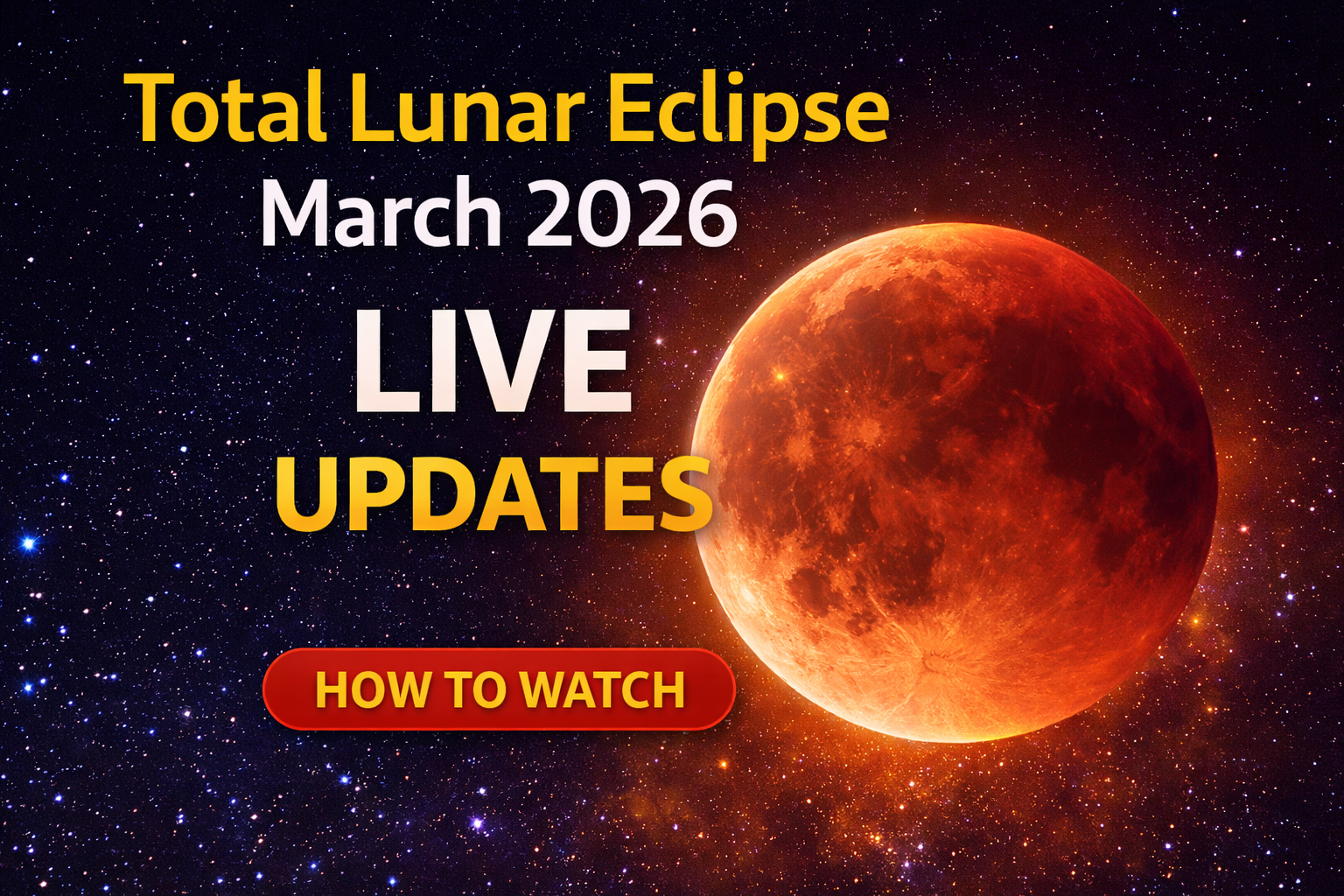
A spectacular total lunar eclipse also known as a Blood Moon is set for March 3, 2026, and skywatchers around the world are already preparing for one of the year’s biggest celestial events.

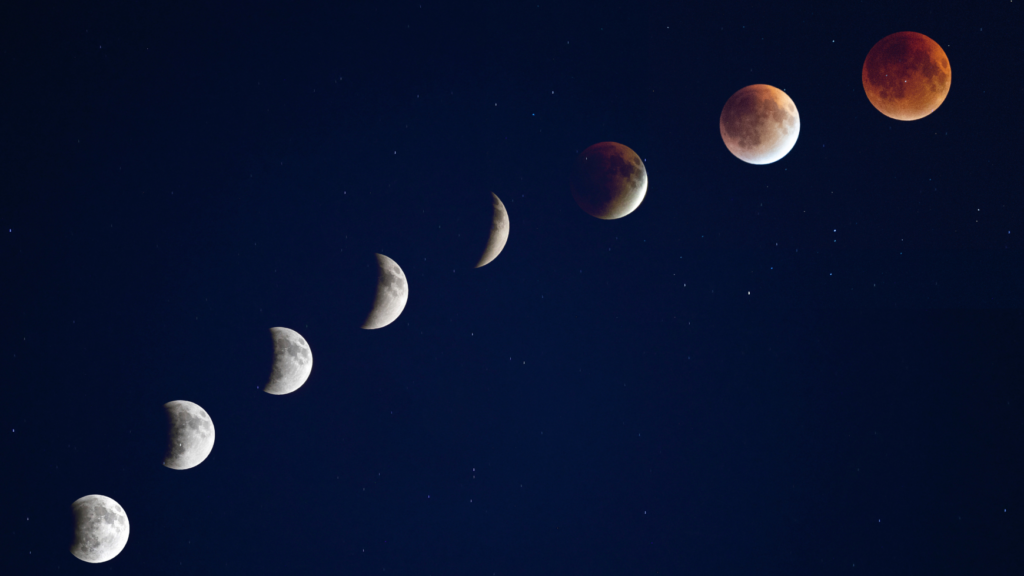
This rare astronomical phenomenon happens when the Earth passes directly between the Sun and the Moon, casting a deep shadow that causes the Moon to glow in shades of red and orange a dramatic effect that’s safe to observe with the naked eye.
When Is the Eclipse Happening?
The Total Lunar Eclipse will occur on March 2–3, 2026. During this eclipse:
- Totality when the Moon is completely inside Earth’s shadow is expected from 11:04 UTC to 12:03 UTC.
- The full eclipse (including penumbral and partial phases) will stretch for about 5 hours and 38 minutes.
Note: Exact local times will vary depending on where you are in the world.
What Is a Blood Moon?
A Blood Moon occurs during a total lunar eclipse when Earth’s atmosphere filters sunlight, scattering blue wavelengths and allowing reddish-orange light to illuminate the Moon. This creates the striking coppery hue that makes this event so visually memorable.
Unlike solar eclipses, lunar eclipses are completely safe to watch without special glasses all you need is a clear view of the sky!
Where Will the Eclipse Be Visible?
The March 2026 Blood Moon will be visible weather permitting from large portions of:
- North America
- Australia & New Zealand
- Eastern Asia
- Pacific regions
- Parts of South America
Unfortunately, people in Africa and most of Europe will not be able to see this eclipse due to the position of the Moon and Earth’s rotation.
Best Ways to Watch
Here’s how you can catch the Blood Moon:
In-Person Viewing
- Find a dark location with a clear view of the sky.
- The total eclipse’s reddest phase will be most dramatic during totality.
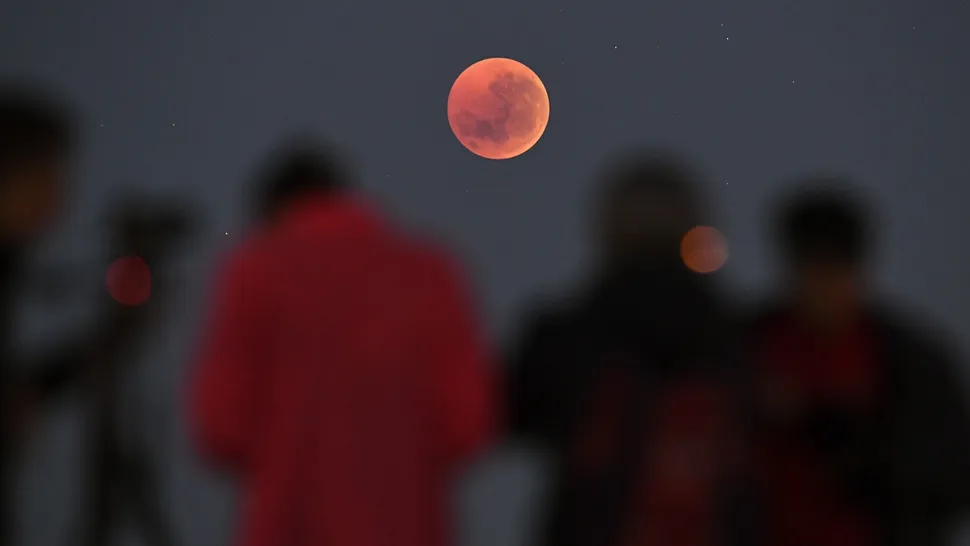
- You don’t need any special equipment to see the eclipse just your eyes.
Livestream & Online Coverage
If the eclipse isn’t visible in your region, many observatories and science platforms will stream the event live. You can look for livestreams closer to March 3 from astronomy sites and space agencies.
Why This Eclipse Is Special
- It’s one of the only total lunar eclipses visible in 2026.
- It will be followed by another total lunar eclipse only at the end of December 2028.
- Many parts of the world will get a full view of the Moon turning red a rare and beautiful sight.
Whether you’re an astronomy enthusiast or just curious about the night sky, this event is one you won’t want to miss.
Quick Summary
| Event | Total Lunar Eclipse (Blood Moon) |
|---|---|
| Date | March 2–3, 2026 |
| Totality Time (UTC) | ~11:04 to 12:03 UTC |
| Duration | ~5 hours 38 minutes |
| Best Viewing | North America, Eastern Asia, Australia & Pacific |
| Not Visible | Most of Africa & Europe |
| Viewing | Safe without special equipment |
Live Update Tip: Keep refreshing this page as we’ll continue adding timing adjustments, viewing tips, and livestream links closer to the event date.
Stay tuned for more live updates and astronomical coverage!