
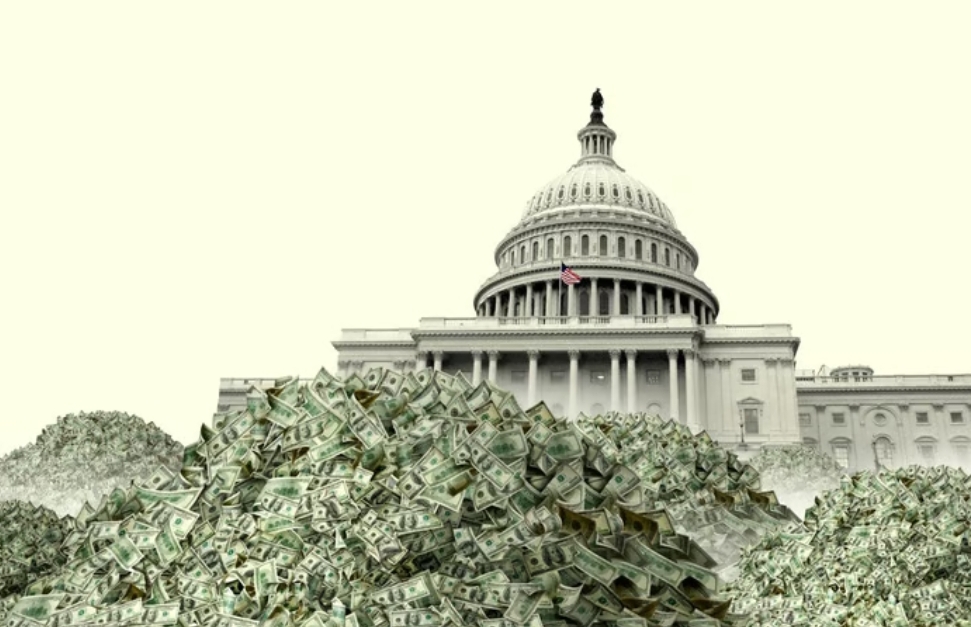
Whether you’re already retired or planning for the future, concerns about Social Security are growing and for good reason. The program’s finances are under pressure, and without changes, the trust fund could eventually run short.
Why Social Security Is Struggling
Since 1937, Social Security has been funded through payroll taxes paid by workers and their employers. For decades, the system worked well because there were far more workers than retirees.
Join Our WhatsApp Group for Daily Updates
Click to Join WhatsApp GroupBut times have changed. Americans are living longer, birth rates have declined, and fewer workers are supporting more retirees. That imbalance is putting strain on the trust fund.
Even if the trust fund runs out, Social Security wouldn’t disappear. Ongoing payroll taxes would still cover about 77% of benefits. However, that would mean reduced payments.
For example, someone receiving $2,000 per month could lose about $460 monthly.
Will Congress Take Action?
Lawmakers are aware of the issue. Over the years, nearly 200 proposals have been introduced to strengthen Social Security.
However, fixing the system is politically difficult. Possible solutions such as raising taxes, increasing the retirement age, or reducing benefits are controversial and could cost lawmakers voter support.
Because of this, some believe Congress may delay action until the problem becomes more urgent.
Possible Solutions on the Table
Some of the most discussed proposals include:
- Raising the income cap on Social Security taxes
- Slightly increasing the payroll tax rate
- Increasing the retirement age for higher earners
- Taxing more Social Security benefits for high-income retirees
This isn’t the first time Social Security has faced financial trouble. In 1983, Congress passed bipartisan reforms that stabilized the program. While today’s challenge is larger, history shows that compromise is possible.
This isn’t the first time Social Security has faced financial trouble. In 1983, Congress passed bipartisan reforms that stabilized the program. While today’s challenge is larger, history shows that compromise is possible.
For now, the future of Social Security depends on whether lawmakers act before the shortfall becomes critical.